

Overview
Our first birding safari site in Uganda will be the Mabamba wetland on the fringes of Lake Victoria as we search for the Shoebill. Our first national park to visit will be Murchison Falls National Park which was voted the No. 9 best birding spot in Africa, home to over 450 bird species and 76 mammal species. Next will be to Budongo forest which protects the largest natural forest area in East Africa with over 350 bird Species and is home to several primates including Chimpanzees. Semuliki National Park protects an eastern extension of the vast Ituri Forest of the Democratic Republic of Congo and is one of the richest areas for forest birds in Africa.
This Uganda birding safari will continue to Kibale National Park, a large block of rainforest that offers great birding and is home to 13 primate species with Chimpanzees as the highlight. We will then proceed to Queen Elizabeth national park known for its varied biodiversity and over 600 bird species. Our highlight will be the Bwindi impenetrable forest which has a record of 23 of Uganda’s 24 Albertine Rift endemics and an opportunity to do a gorilla trek. The Uganda birding safari will end with Mgahinga National Park which is the smallest national Park in Uganda hosting over 180 bird species including the Albertine Rift Endemics.
Highlights
- Shoe bill stork
- Birding
- Gorillas
- Chimpanzees
- Culture
- Boat rides
- Game drives
Itinerary
21-DAY BIRDING, WILDLIFE & PRIMATE SAFARI
On arrival at Entebbe international airport, you will be received by a representative of Majestic Africa Exploration to start your Uganda birding safari and thereafter transfer to your hotel in Entebbe. Depending on your time of arrival, you have an opportunity to bird the Botanical gardens in case you have a morning flight. Otherwise, you check into your hotel and prepare to start your birding tomorrow.
After an early breakfast, we drive to Mabamba Swamp Wetland in Kasanje which is located on the fringes of Lake Victoria – 2nd biggest freshwater body in the world. The drive can take about an hour or more depending on the birding engagement En route which leads to several stopovers.
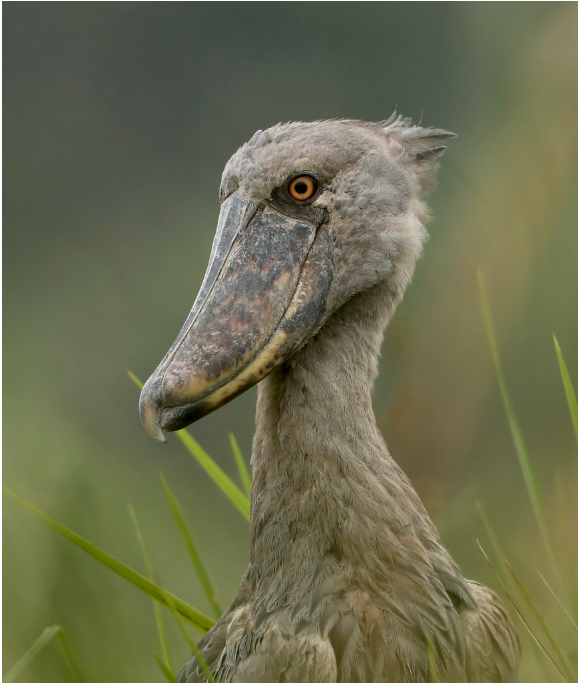
In Mabamba swamp, you will take a motorized canoe with the area site guide in search of the incredible Shoebill which is often seen standing in the mashes waiting to hunt or flying in the air above the papyrus plants.
There are also other varieties of water birds like; African Jacana, White-winged Terns, African Purple Swamphen, Purple Heron, Blue-breasted Bee-eater, Pied Kingfisher, Malachite Kingfisher, Winding Cisticola, Red-billed Fire-finch, White-faced whistling duck, Long-toed Lapwing, African Pied Wagtail, Saddle-billed Stork, Cape wagtail, Fan-tailed Widowbird, Yellow-billed Duck Long-toed plover, African Fish Eagle and African Marsh Harrier, Swamp Flycatcher, etc.
Today we continue birding safari in the rich Budongo forest. Part of the forest is located in Murchison falls national park at Kaniyo Pabidi and the other part is located outside of the national park as a forest reserve known as Budongo forest. This forest is home to various primates including Chimpanzees and several tree species.
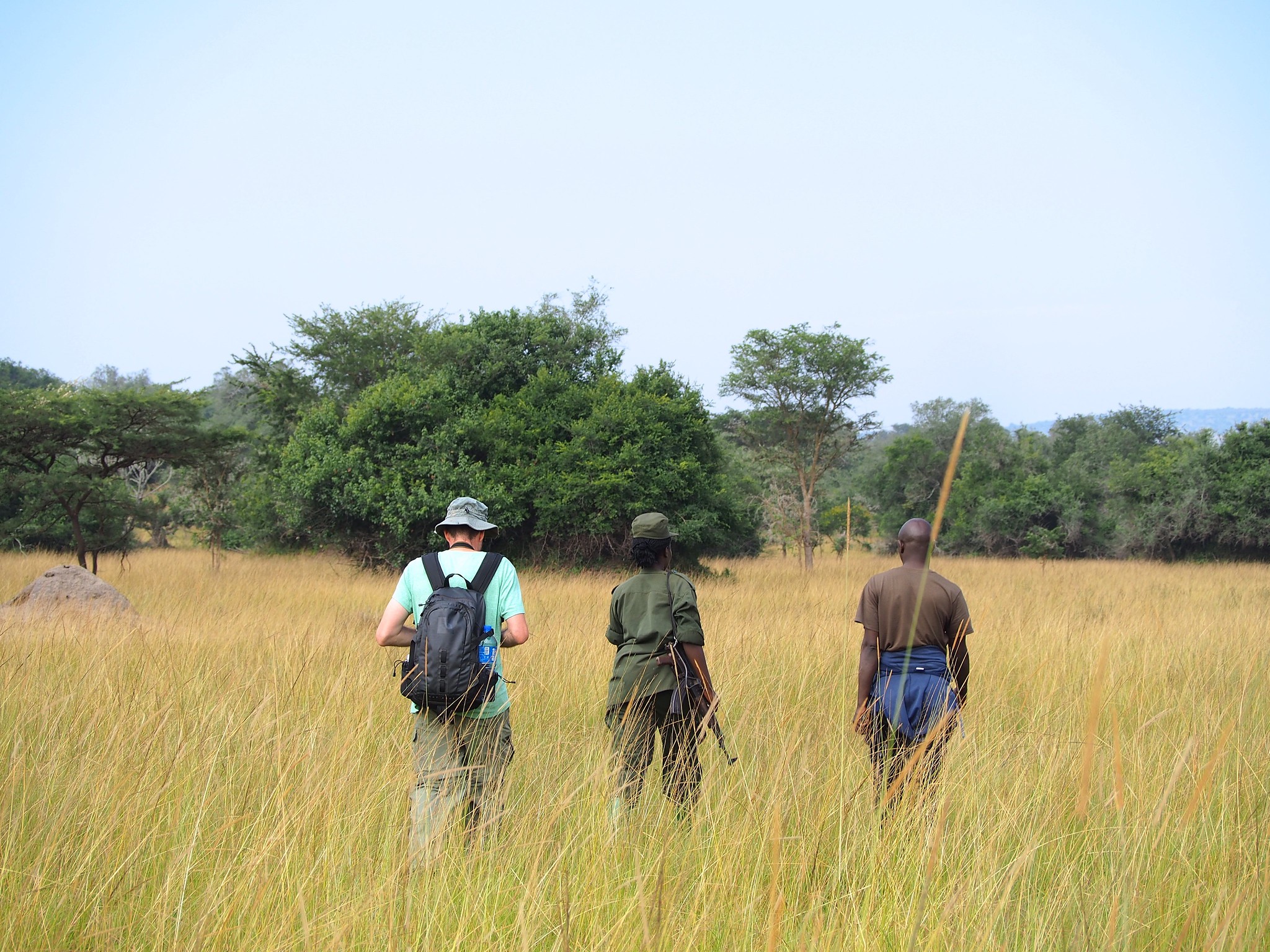
After an early breakfast and with packed lunch, we will leave for the royal mile – a stretch of 1 mile that the King of Bunyoro enjoyed to spend time. This is a full day’s birding along the forest road and ending at the forest Bridge depending on the activity of the bird species.
Together with the site guide and your bird guide, you will look out for some of the exotic bird species; Ituri Batis, Nahan’s francolin, Grey and Yellow long bills, Yellow-footed Flycatcher, Chocolate backed Kingfisher, Black-capped Apalis, Brown twin spot, White-spotted fluff tail, Jameson’s wattle eye, White-breasted negro finch, Grey-headed Olive-back, Grey-headed sunbird, Red-headed bluebill, Green Sunbird, Little green sunbird, and the list goes on.
After an early breakfast at your hotel, your bird guide will pick you and you start your birding journey to Uganda’s largest and oldest National Park – Murchison falls national park with some stops in key areas along the way. You will drive to the Top of the waterfalls to have a view of the falls from the top and continue birding to your lodge.
We have an early morning breakfast and then go birding first while on the boat and later while in the car on a game drive. Spend the morning birding on the boat towards the Delta. Some of the birds we aim for in this area include; the Shoebill, Great White and Pink-backed Pelicans, African Water Rail, Allen’s Gallinule, Black Crake, African Crake, Grey-crowned Crane, Southern Pochard, The Egyptian, African Pygmy, and the Spur-winged Goose, Saddle-billed stork, Open-billed stork, Yellow-billed stork, and Marabou stork. More birds include; the Little and Dwarf Bitterns, Night Heron, Black Heron, Goliath Heron, Purple Heron, Green Backed Heron, Little Grebe, Common Squacco Heron, Great White Egret, Great and Long-tailed Cormorants, African and Eurasian Spoonbills, the Lesser Flamingo, Lesser Jacana, African Finfoot, Painted Snipe, Wattled Plover. After the experience on the boat, you transfer to the car and bird in the Savannah in search of; Secretary Bird, Northern Carmine and Red-throated Bee-eaters, Giant, Pied, Stripped, Chestnut-bellied, Blue-breasted, Woodland, and the African Pygmy Kingfishers, African Rock Martin; Lesser Stripped, Ethiopian, Angola, Red-rumped and Rufous-chested Swallow, Nightingale, Rock Thrush, Pied Wheatear, Whinchat, White-fronted Black Chat, Sooty Chat. Common Bulbul, Cameroon Sombre and Yellow-throated Greenbul, the Black, White-breasted, and Red-shouldered Cuckoo Shrikes, the Black and Penduline Tits, Black-lored, and Brown Babblers, Nubian Woodpecker, Cardinal Woodpecker, Brown-backed Woodpecker, Lesser Honeyguide, Scaly-throated Honeyguide, and many more.
Today morning after breakfast, we transfer to Kibale forest with a stopover birding the Butiaba Escarpment for some birds of interest. Look out for; Beautiful sunbird, Black-billed Barbet, Grey-winged Pythilia, Buff-bellied Warbler, Northern Crombec, Cinnamon-breasted Warbler, Whinchat, Flappet Lark, Little weaver, Tawny-flanked Prinia, Lesser blue-eared Starling, Chestnut-crowned Sparrow Weaver, Marsh Tchagra, Copper Sunbird, Green-backed Eremomela, long crested eagle, Foxy Cisticola, etc. Kibale forest is home to 13 primate species with the highlight being the chimpanzees which are easily seen while on chimp trekking.
We will have an early morning breakfast and leave the lodge with our packed lunch so that we have maximum time in the forest. Our morning focus while birding will be to search for the elusive Green breasted pitta. This sought-after bird can also be rather difficult to sight in the forest but with the guidance of the site guide and rangers, we hope to increase our chances of sighting the Green-breasted Pitta.
In the meantime, as we search for the Green-breasted Pitta we shall continue birding and equally search for many other bird species which include the Western bronze-napped Pigeon, Great blue Turaco, Yellow-throated Nicator, White-headed Wood hoopoe, Red Headed malimbe, Yellow spotted barbet, Dusky-blue Flycatcher, Grey-winged Robin, Blue shouldered Robin-Chat, Yellow-spotted Barbet, White-naped Pigeon, Green-breasted Pitta, Red-chested Flufftail, African Pitta, Joyful Greenbul, Cabanis Greenbul, Grey-throated Flycatcher, Masked Apalis, Nahan’s Francolin, Tiny Sunbird, White-collared Olive back and many more.
This morning, we have an opportunity to trek the chimpanzees deep in the Kibale forest for an experience of a lifetime. Your driver guide will transfer you to the briefing point. After the briefing, you will be divided into groups and given a ranger guide to guide you in the forest. In addition, you will sight several butterflies, plants, and many other primates.
In the afternoon, we bird Bigodi wetland for species we might have missed in the forest. This is a community initiative conserving the buffer zone to the forest, proceeds go to different community programs.
Today after breakfast we bird our way to Semuliki national park for an experience searching for central African species found only here in East Africa. We shall have several stopovers birding nearby forest patches and swampy areas for different bird species.
We shall spend the day birding in the Semuliki forest for central African species of Congo’s Ituri forest. Semuliki forest is a continuation of Congo’s Ituri forest. You have an opportunity of visiting both the ‘female’ and ‘male’ hot springs found within the park.
Some of the species we will look out for include the; Congo Serpent Eagle, Grey-throated Rail, Nkulengu Rail, Long-tailed Hawk, Spot-breasted Ibis, Yellow-throated Nicator, Northern Red chested Owlet, Western Bronze-naped Pigeon, Black-collared Lovebird, White-bellied Kingfisher, Red-rumped Tinkerbird, Lyre-tailed Honeyguide, Zenker’s Honeyguide, White throated Blue Swallow, Bate’s Nightjar, Yellow-throated Cuckoo, Orange-tufted Sunbird, Black winged Oriole, Lemon-bellied Crombec, Rufous-sided Broadbill, Icterine Greenbul, Swamp Palm Bulbul, Crested and Blue-billed Malimbes, Fiery-breasted Bush-shrike, Pale-fronted Negro finch, Piping, Red-billed White-crested, Black-casqued, Wattled, and White-thighed Hornbills.
Today after an early breakfast we start the trip to Queen Elizabeth national park birding along the way. You will have stopovers for both birding and photography moments of the beautiful scenery in this part of the country. Drive past several crater lakes, homesteads, farms, and later with the Rwenzori mountains ahead as you drive.
The road through this crater lakes region is not tarred therefore sometimes it is very difficult during the rainy season. In case it rains right before you set off, your guide may advise a different route on a more stable road. Because you will be having several stopovers for pictures and birding, you can expect to arrive at your lodge later that afternoon. Have some rest and prepare to start the next day very early for a whole day of birding.
We start early for a whole day of birding in the park leading to Maramagambo Forest. We will have birding from the lodge towards Imaramagambo forest.
Bird species we expect to sight include Whinchat, Common Redstart, White-fronted Black Chat, Sooty Chat, Cameroon Sombre Greenbul, Yellow-throated Greenbul, the Black, White-breasted, and Red-shouldered Cuckoo Shrikes. The Black and Penduline Tits, Nubian Woodpecker, Cardinal Woodpecker, Brown-backed Woodpecker, White-tailed and Red-tailed Ant-thrushes, Brown Illadopsis, Shining-blue Kingfisher, Brown-eared Woodpeckers, Least Honeyguide, Grey Greenbul, Brown-chested Alethe, and many others
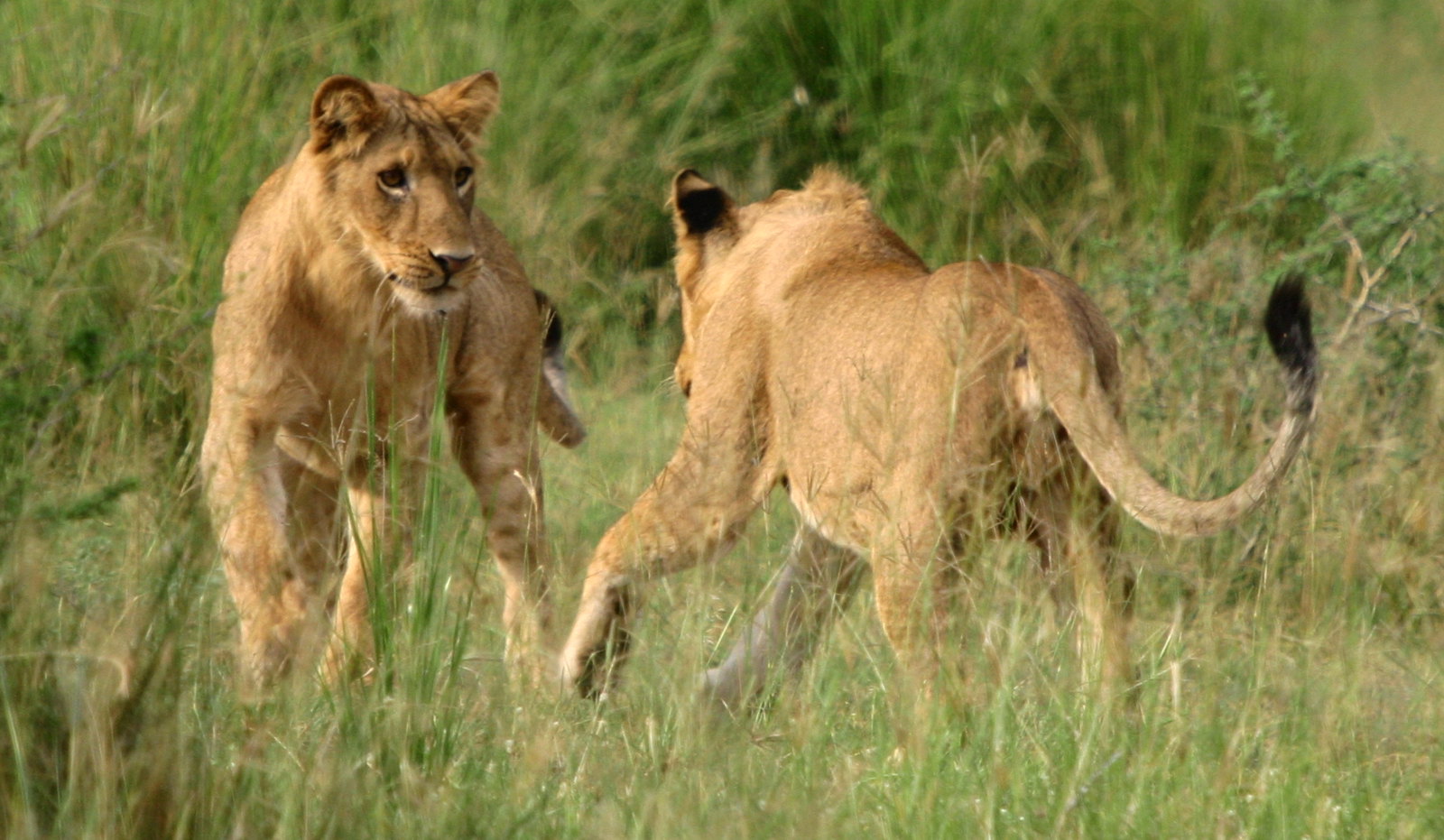
Transfer to Bwindi impenetrable national park, we have stopovers birding until we arrive at our lodge later that afternoon. You might have the opportunity to sight birds you could have missed the previous day. In addition to the birding, there are opportunities of sighting the famous tree-climbing lions of Ishasha. After a short game drive, you proceed to Bwindi’s impenetrable national park.
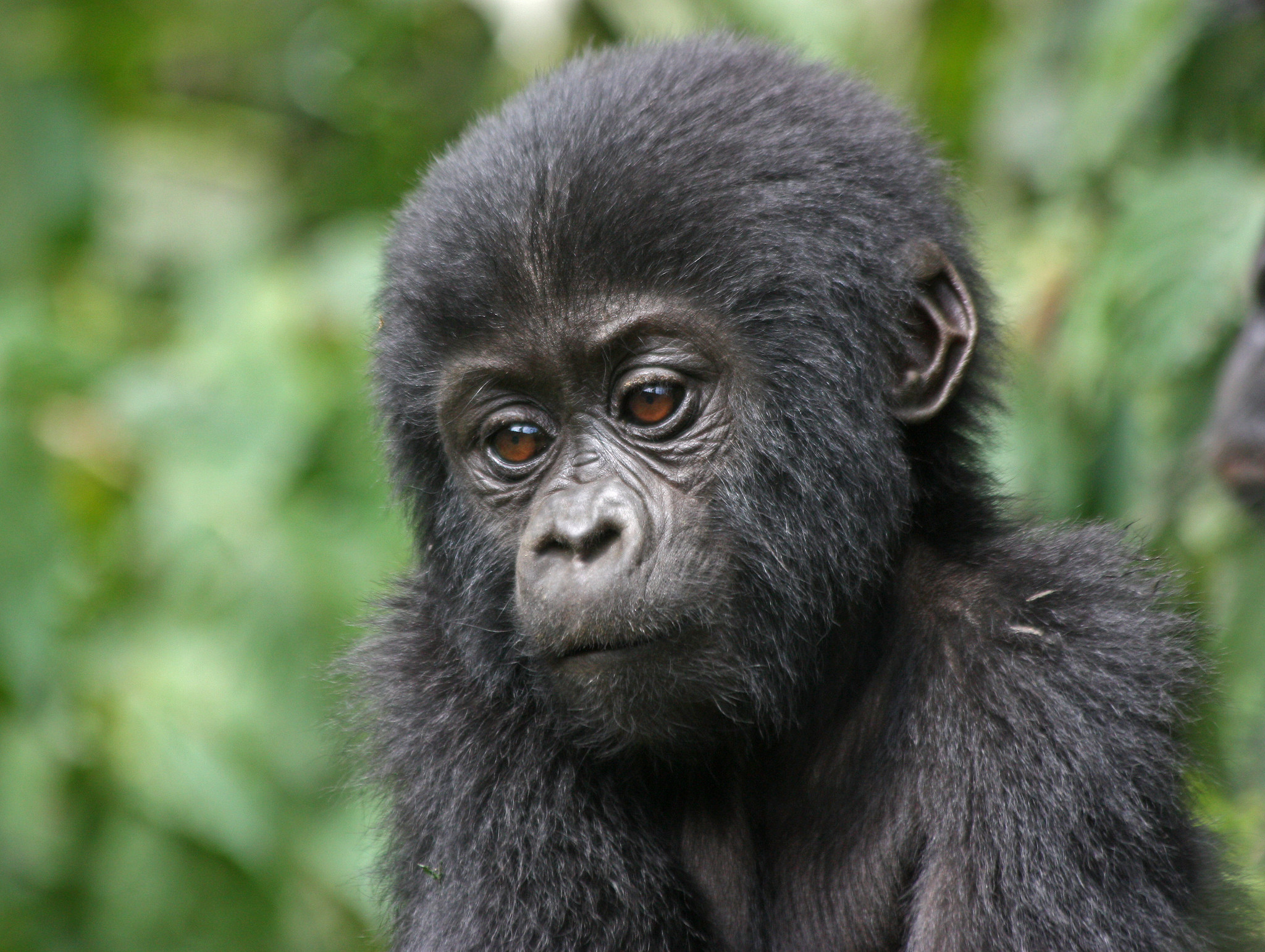
Mountain Gorilla trekking – is a once in a lifetime opportunity and is highly recommended. Today morning you will be transferred to the briefing point by your tour guide. On arrival at the briefing point, you will be divided into different groups which will trek different gorilla families with a ranger guide for each group.
You will then start your trek into the forest depending on the location of the family you are to trek with. It can take anything from a few minutes to several hours before sighting gorillas after which you are allowed 1 hour to stay in the presence of the gorillas before starting the trek back to the starting point.
Today after an early breakfast, we get back into the forest for birding taking different trails as advised by the site guide. The site guides usually help with the location of the different unique birds and they share information about where they last sighted them, therefore, increasing chances of locating them.
Today you look out for; Stuhlmann’s Starling, Narrow-tailed Starling, Waller’s Starling, Montane Oriole, African Golden Oriole, Strange Weaver, Brown-capped Weaver, Dusky Crimsoning, Yellow-bellied Waxbill, Magpie Mannikin, Yellow-crowned Canary, Thick-billed Seedeater, Streaky Seedeater, African Green Broadbill, Oriole Finch, Mountain Buzzard, Ayre’s Hawk Eagle, Handsome Francolin, Barred Long-tailed Cuckoo, African Wood Owl. More species; Bar-tailed Trogon, Cinnamon-chested Bee-eater, (Western) Bronze-naped Pigeon, Red-chested Owlet, Tullberg’s Woodpecker, African Broadbill, Western Green Tinkerbird, African Green Broadbill, Lagdens Bush-Shrike, Petit’s Cuckoo-Shrike, Grey Cuckoo-shrike, Toro Olive Greenbul, Ansorge’s Greenbul, White-bellied Robin-Chat, Olive Thrush, White-tailed Ant Thrush, Grauer’s Rush-warbler, Neumann’s Warbler and Red-faced Woodland Warbler.
Early morning makes your way towards ‘the neck’ of the forest linking Buhoma to Ruhija. We look out for; Yellow-billed Waxbill, Black Saw-wing, Chubbs’ Cisticola, Grey Apalis, Petit’s Cuckoo Shrike, Black Bee-eaters, Cinnamon-chested Bee-eaters, Cuckoo Shrike, Mackinnon’s Fiscal, Little Grey Greenbuls, Chestnut-throated Apalis, Red-throated Martin, Yellow White-eye, Yellow-bellied Kite, Speckled-rumped Tinkerbirds. African Stonechat, Grey Cuckoo Shrike, Stripe-breasted Tit, Montane-masked Apalis, Red-faced Woodland, Montane Yellow Warbler, Regal Sunbird, Northern Double-collared Sunbird, White-tailed Blue Flycatcher, Yellow whiskered Greenbul, Crested Guinea Fowl, Lead-collared Flycatcher, Black-necked Weaver, Red-bellied Paradise Flycatcher, Yellow-spotted Barbet, African Harrier Hawk.
Today prepare to bird the entire day in the Ruhija sector of Bwindi impenetrable national park – Mubwindi swamp trail. Birds in Ruhija are generally easy to see but the area is also considerably steep with lots of hiking as you search for birds. You will carry a picnic lunch and take a trail to Mubwindi swamp that promises some of the most difficult of all rift endemic species, look out for the beautiful Regal Sunbird, Archer’s Robin-Chat, Grauer’s Rush Warbler, African green broadbill, Caruthers cisticola, Handsome francolin, African Hill babbler, Banded Prinia, Shelley’s Crimsonwing, Doherty’s, Bushrike, Collared Apalis and others.
Return to the hotel later that evening, hopefully, you will sight some of the Rwenzori night jars on the forest roads as you drive back.
Transfer to Kisoro early morning after breakfast birding along the way; Papyrus areas at Lake Bunyonyi outflow and Echuya forest for some Albertine rift endemics that we might have missed in Bwindi impenetrable forest. Birds in the Echuya forest include; Dwarf Honeyguide, Red-throated Alethe, Grauer’s Rush Warbler, Red-faced Woodland Warbler, Grauer’s Warbler, Collared Apalis, Yellow-eyed Black Flycatcher, Rwenzori Batis, Strip-breasted Tit, Regal Sunbird, Strange Weaver, Brown-capped Weaver, Strange Weaver, etc.
Mgahinga gorilla national park is home to over 180 bird species recorded including some Albertine rift endemics. This park with beautiful vegetation will reward you with more than birding. You shall traverse a variety of montane habitats along the excellent Gorge trail as you bird your way in the bird. This is the smallest national park in Uganda and was predominately protected to conserve the mountain gorillas and golden monkeys.
Some of the bird species we look out for include the Rwenzori Turaco, Dwarf Honeyguide, Kivu Ground Thrush, Rwenzori Double-collared, Regal and the Purple-breasted Sunbirds, Archer`s Robin-chat, cinnamon Bracken and Mountain Yellow Warblers, the Dusky and much Sought after Shelley’s Crimson-wing and many more.
After a fulfilling birding experience ticking off several Albertine rift endemics, you start the journey to Entebbe. This is a whole day trip with short birding stops.
Today marks the end of your Uganda birding safari. We hope you had an amazing time birding Uganda in the various national parks and forests. We look forward to hosting you again for another region in Uganda. Thank you for Choosing Majestic Africa Exploration.
End of 21 Days Birding Uganda and Gorilla Trekking Safari
Cost
The Cost Includes
- Pick-up or Drop-off
- All government tax
- Transportation in 4*4 car
- Food all along the trip(Breakfast, Lunch, Dinner and a cup of coffee
- Accommodation.
- Professional Guide during the trip
- Drinking water in the car
- All the required permits and paperwork.
The Cost Excludes
- International Airfare
- Visa Charges
- Tips
- Your travel and medical insurance
- Personal Expenses such as shopping, bar bills
- Services not mentioned or not promised
FAQs
General
Binoculors
nature blending colors
a hat
sun screen
camera (optional)
light pen
rain gears
hiking boots
note book etc
There are ATMs on this trip route. You will have to with draw enough cash in towns.
It depends on you. You could hire a porter by yourself because they help in carrying your bags and machines as it may be heavy along the way.
guides tip range from $15- $20 per day and porters take $15 to $25 per day.