

The first thing you notice is the silence.
“Stop,” he whispers
Not the empty silence of a quiet room, but the living silence of an ancient rainforest — layered with dripping leaves, distant bird calls, rustling vines, and the soft crack of branches somewhere deep ahead. Every breath feels heavier in the humid mountain air as you climb higher into the jungle. Your boots sink into wet earth. Sweat runs down your back. And then your guide suddenly raises a hand.
“Stop,” he whispers
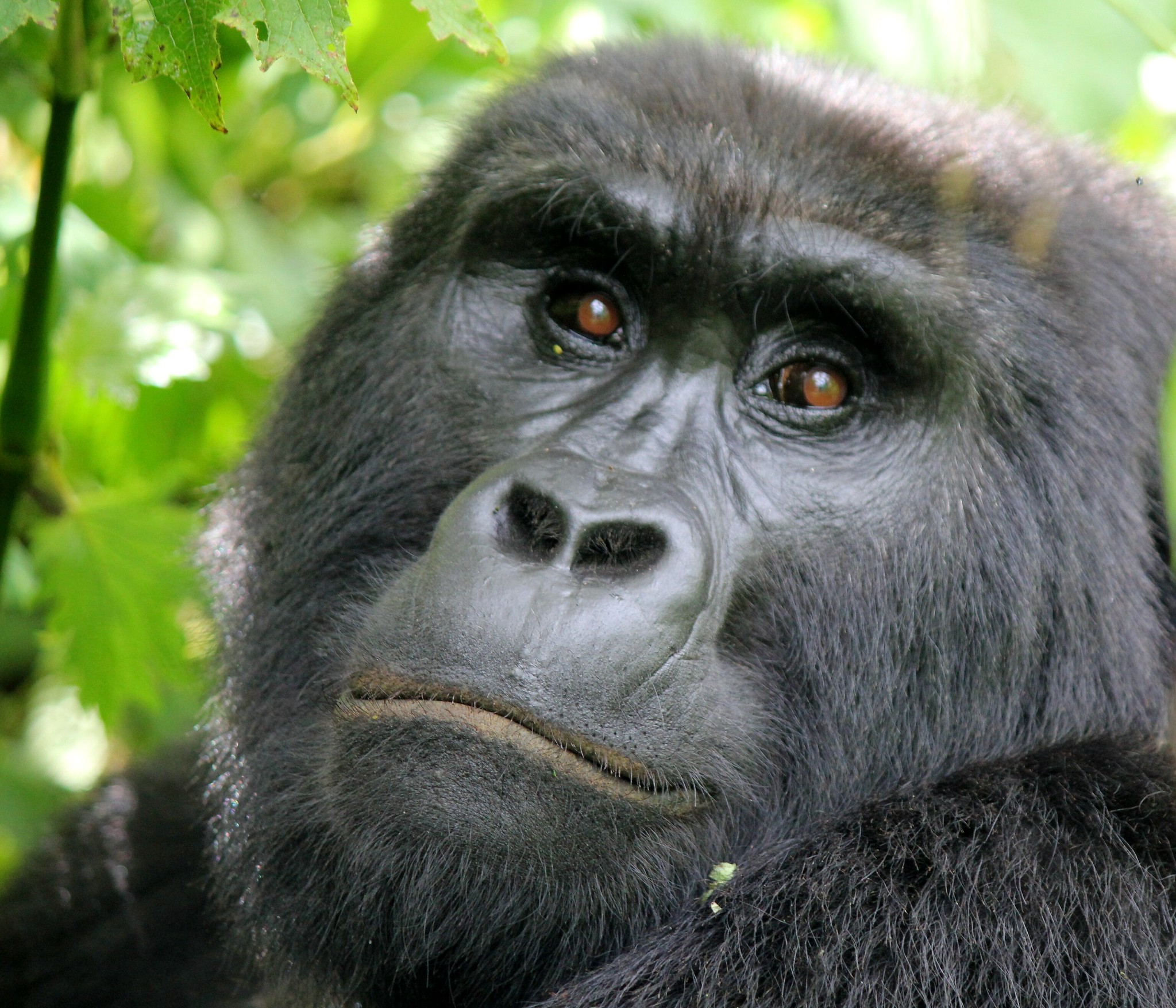
Just twenty feet away, partially hidden behind giant nettles and tangled vines, sits a massive silverback gorilla. Calm. Watchful. Almost impossibly human.
For a moment, the forest disappears. Time slows. And all you can hear is your own heartbeat.
That is gorilla tracking.
And nothing truly prepares you for it.
The Call of the Mountains
My journey began in southwestern Uganda, near Bwindi Impenetrable National Park — a place whose name alone sounds mythical. The road from Kampala wound endlessly through rolling green hills, tea plantations, tiny roadside markets, and villages buzzing with life. Children waved as our vehicle passed, shouting cheerful greetings while balancing yellow jerrycans or kicking homemade footballs through the dust.
As the hours passed, the landscape changed dramatically. Flat roads gave way to steep mountain curves wrapped in mist. Dense forests swallowed the horizon. The air cooled. Everything felt wilder.
Bwindi is one of the last remaining homes of the endangered mountain gorilla, sharing that distinction with the volcanic forests of neighboring Rwanda and the Democratic Republic of Congo. More than half the world’s remaining mountain gorillas live here.
Standing at the edge of the forest the next morning, I understood why conservationists fight so fiercely to protect it.
The jungle felt primeval.
Towering mahogany trees stretched into the clouds. Thick vines twisted through the canopy like giant ropes. The earth smelled of rain, moss, and centuries of growth. Somewhere beyond the trees lived creatures genetically closer to us than almost any other animal on Earth.
And we were about to meet them.
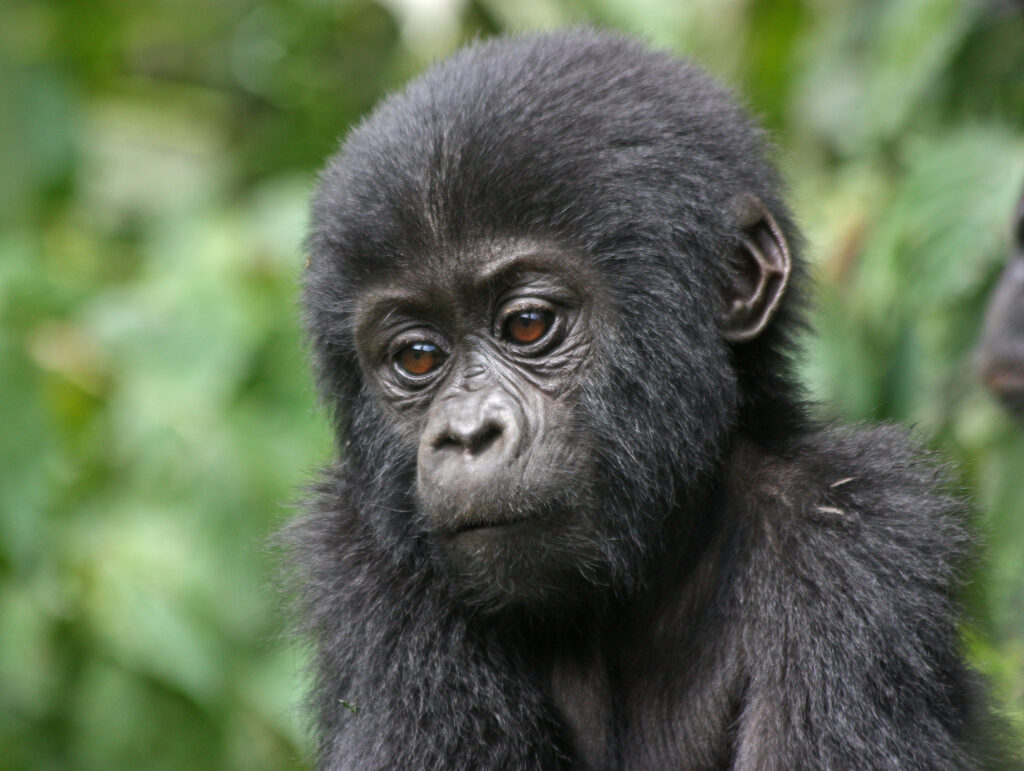
Photographs do not capture the physical presence of a fully grown mountain gorilla. His chest was broad as a barrel. Muscles shifted beneath silver-gray fur. Every movement carried quiet authority. He sat heavily on the ground, glanced briefly in our direction, and began stripping leaves from a branch with astonishing gentleness.

Comments are closed